
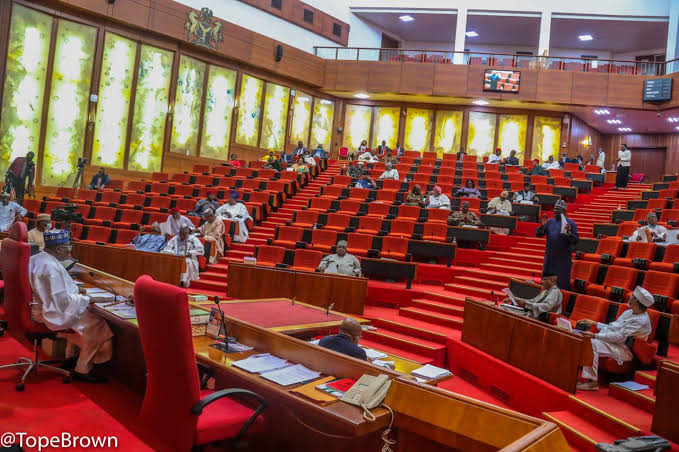

The National Assembly has transmitted the Constitution (Sixth Alteration) Bill, 2026, popularly known as the State Police Bill, to the 36 State Houses of Assembly for final approval.
The development marks another stage in the proposed constitutional amendment aimed at decentralising policing and strengthening security administration across Nigeria.
Under Section 9 of the 1999 Constitution, the amendment requires approval by at least two-thirds of the state legislatures before it can proceed to President Bola Tinubu for presidential assent. This means at least 24 of the 36 state assemblies must endorse the bill for the process to advance.
The Clerk to the National Assembly, Kamoru Ogunlana, announced the transmission of the draft legislation to the state legislatures on Wednesday, September 16, and requested that they return their decisions within 30 days.
However, Ogunlana clarified that the 30-day period is an administrative arrangement intended to ensure an orderly process and does not constitute a constitutionally binding deadline for the assemblies.
Meanwhile, the executive sponsored bill had earlier secured approval in both chambers of the 10th National Assembly. The Senate passed it on June 24, 2026, while the House of Representatives approved it on July 23, 2026, following an overwhelming vote involving 311 members.
Notably, If ratified by the required number of states and subsequently assented to by the President, the constitutional amendment would move policing from the Exclusive Legislative List to the Concurrent List.
The proposed framework would establish a dual policing structure involving federal and state formations, with state governors empowered to exercise command over state commissioners of police on matters of public safety.
The legislation also proposes safeguards against arbitrary federal interference and requires state police structures to meet nationally prescribed minimum standards before becoming operational.
The move has therefore placed the state assemblies at the centre of the next phase of the constitutional amendment process.
By Musekir Faisat Omolara