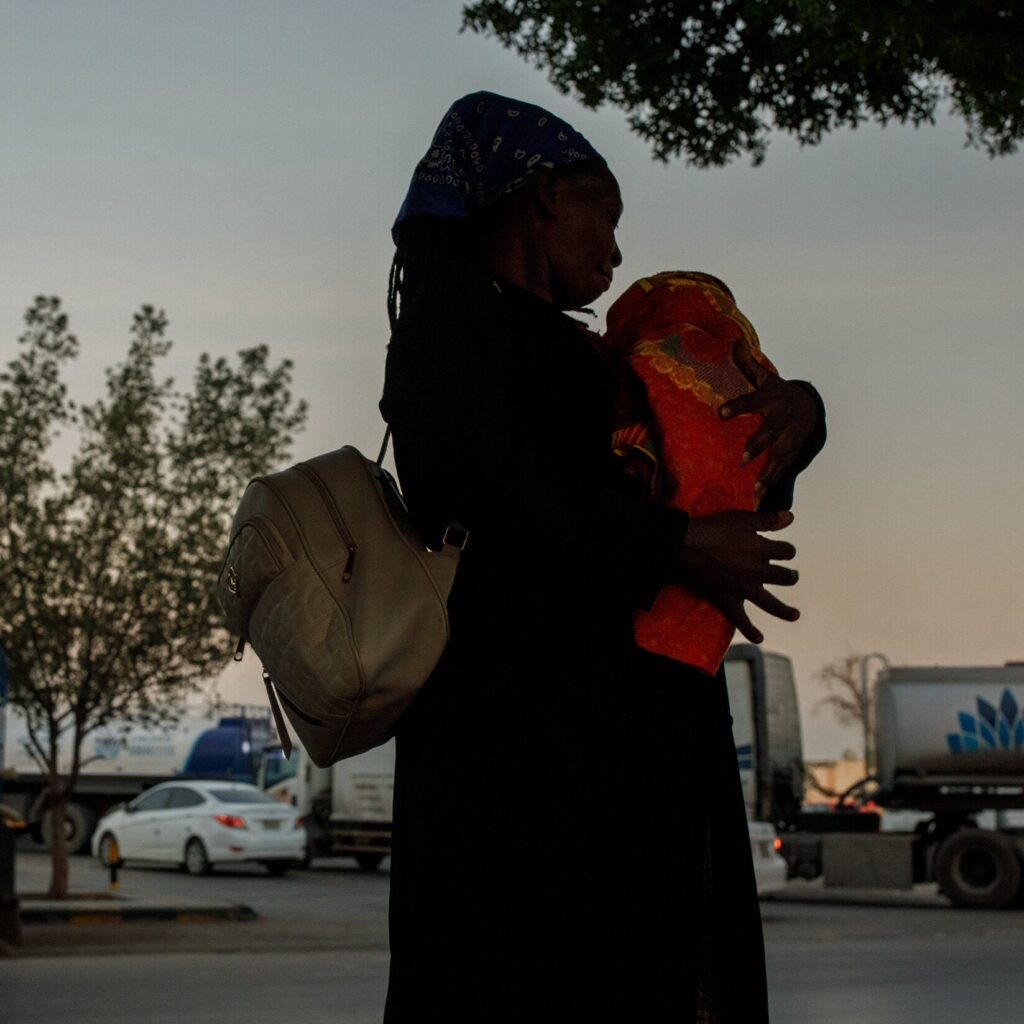

The criminal court in Riyadh, Saudi Arabia, has sentenced a 40-year-old Kenyan domestic worker, Esther Wanja Muthoni, to 100 lashes and one year of banishment after convicting her of having sex outside marriage.
Muthoni, a mother of five, worked legally in Saudi Arabia as a housekeeper and nanny through recruitment agency Maharah Human Resources.
The case emerged after she gave birth to a baby boy, Abudy, in August 2025 at her staff accommodation following a brief relationship with an Egyptian man identified as Mohamud. Mohamud subsequently left Saudi Arabia, while Muthoni remained in the country with their child.
According to reports, the matter came to light after a supervisor discovered the infant at Muthoni’s accommodation and arranged for her and the baby to visit a hospital. Subsequently, Saudi hospitals reportedly have a legal obligation to report unmarried women who give birth. Following the report, police questioned Muthoni and thus, detained her.
She later appeared before a three-judge criminal court in Riyadh, where she attended hearings with the assistance of a court translator but without legal representation. Although the court handed down the sentence, Muthoni did not appeal the ruling, reportedly because her priority was to return to Kenya with her child.
Notably, Court documents also did not indicate any prosecution or legal action against the child’s father, who had already left the country.
However, the sentence has attracted criticism from human rights organisations, including ALQST, which described the punishment as an act of violence and questioned its compatibility with Saudi Arabia’s claims of legal and social reforms.
Rights advocates have also highlighted concerns about the treatment of migrant domestic workers, particularly women who face legal and economic vulnerabilities while working abroad.
Although Saudi Arabia announced changes in 2020 to move away from judicial flogging for discretionary offences, corporal punishment remains a subject of concern under certain interpretations of its legal system.
The case has renewed scrutiny of the treatment of migrant women and the enforcement of laws governing relationships outside marriage in the kingdom.