
The All Progressives Congress (APC) and the African Democratic Congress (ADC) have engaged in a war of words over allegations linking opposition parties to an incident involving President Bola Tinubu’s convoy in Abuja.
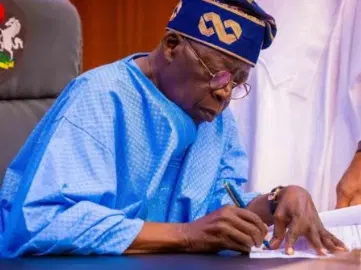
The disagreement comes days after suspected hoodlums attacked the President’s motorcade on November 13, 2026, throwing stones and other objects at vehicles as the convoy departed. The incident reportedly damaged some vehicles and left security operatives injured.
The Federal Capital Territory Police Command arrested 78 suspects over the incident. However, Tinubu subsequently ordered their release after granting them clemency, with instructions that authorities caution them.
Reacting to the development, APC Presidential Campaign Council spokesperson, Dele Alake, accused the ADC and the Nigeria Democratic Congress (NDC) of fuelling political unrest ahead of the 2027 general elections.
Alake alleged that the opposition parties sponsored disruptive activities, including protests and attacks on APC campaign events. He also accused them of spreading misinformation through manipulated content, deepfakes and artificial intelligence-generated images to discredit the President.
The APC spokesperson further expressed concern over reported intimidation and attacks against the party’s supporters in the South-East, alleging that some had faced threats over their political affiliations.
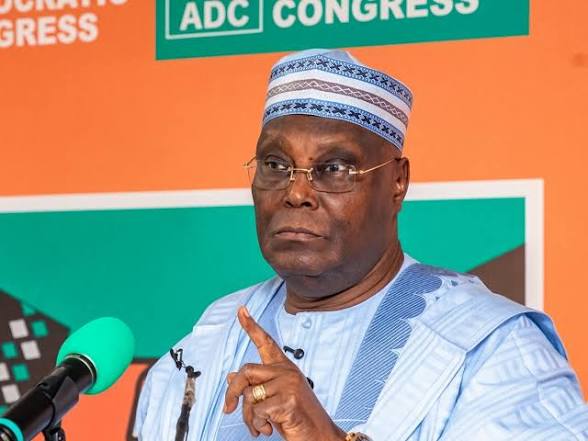
However, the ADC dismissed the accusations, challenging the ruling party to produce evidence connecting it to the attack.
The opposition party argued that the APC was attempting to associate legitimate public dissatisfaction with political violence rather than confront concerns about the country’s economic and political situation.
It also questioned the circumstances surrounding the arrest and subsequent release of the 78 suspects, urging the authorities to identify and prosecute anyone found responsible for the incident.
The ADC maintained that Nigerians had legitimate reasons to express their grievances over rising living costs and other challenges without any political party organising them.
The exchange highlights growing hostilities between the ruling party and opposition groups as political activities gather momentum ahead of the 2027 elections.