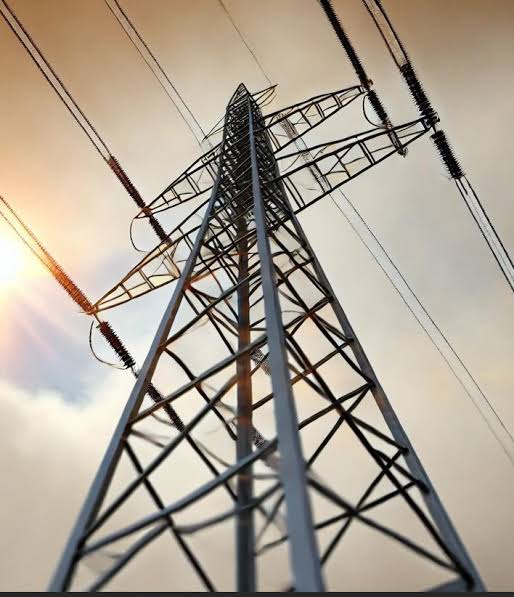

The Federal Government has admitted that Nigeria’s electricity generation has remained between 4,000 megawatts (MW) and 5,000MW for two decades despite billions of dollars invested in the power sector.
The Special Adviser to President Bola Tinubu on Power, Lanre Babalola, disclosed this at the Lagos Energy Summit on Tuesday, November 17, 2026.
Babalola, represented by Engr. Uzoma Achinanya, said Nigeria’s installed generation capacity stood at approximately 13,000MW, but persistent structural challenges had prevented the country from translating that capacity into improved electricity supply. He identified poor funding, gas supply disruptions, ageing infrastructure and weak regulatory enforcement as major obstacles to the sector’s growth.
According to him, electricity operators struggle to sustain operations because payments for power supplied often experience delays. He warned that without payments within 30 to 60 days, generation companies could struggle to purchase gas and maintain their facilities.
Babalola also cited gas shortages, vandalism of electricity assets, ageing infrastructure and transmission bottlenecks as factors limiting electricity delivery. He added that the National Grid Control Centre, which is more than 60 years old, requires replacement.
As part of efforts to address the crisis, the government has approved a ₦3.3tn intervention to settle verified debts owed to generation companies, with ₦1.23tn already paid under the programme. The government is also planning a pilot project covering two to five electricity feeders in Lagos to improve coordination across the power supply chain, strengthen payment discipline and reduce financial leakages.
Meanwhile, Power Minister Joseph Tegbe said more than 2.8 million electricity customers had received meters under the Presidential Metering Initiative. He also confirmed the commencement of construction on a new National Grid Control Centre in Osogbo.
However, the proposed reforms form part of the administration’s efforts to address longstanding financial and infrastructure challenges and improve electricity supply across the country.