
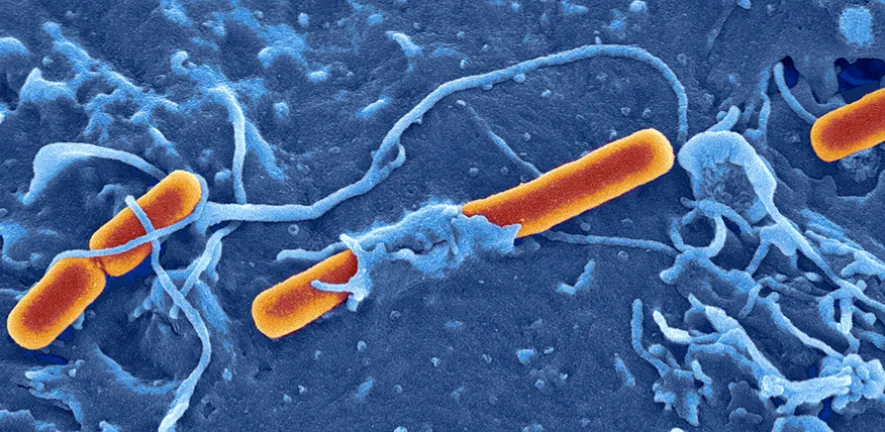

Shigella—A bacterial infection that causes diarrhoea and dysentery is spreading increasingly through sexual contact, while rising antibiotic resistance is making some strains more difficult to treat, researchers have warned.
The infection, known as shigellosis, is caused by Shigella bacteria and can trigger bloody or mucus-filled diarrhoea, stomach cramps, fever and vomiting. Severe cases may lead to dehydration and other complications requiring hospital treatment.
Sexual Transmission Increasing
Although Shigella commonly spreads when faecal matter contaminates food, water or hands and enters the mouth, researchers say sexual contact is an increasingly important route of transmission.
A study highlighted by the University of Cambridge found that between 2015 and 2020, sexually transmitted forms of the infection in the United Kingdom increased 15 per cent faster annually than strains associated with travel, foodborne illness or nursery outbreaks.
The trend has been particularly noted among gay and bisexual men and other men who have sex with men. However, the infection can affect anyone, and young children, international travellers and people experiencing homelessness are also among groups at increased risk.
Cambridge geneticist Kate Baker, a lead author of the research, warned that many men who have sex with men remain unaware of the growing risk.
Drug Resistance Raises Concern
The growing spread of the infection is compounded by resistance to antibiotics used to treat severe cases.
A US Centers for Disease Control and Prevention report published in April 2026 found that extensively drug-resistant Shigella accounted for 8.5 per cent of isolates with resistance data in 2023, up from zero per cent during 2011–2015. The resistant strains are resistant to five commonly used antibiotics.
Read also: NNPC Petrol Discount Not Subsidy, No Public Funds Involved — Oyedele
The CDC report also found that most identified cases of extensively drug-resistant infection occurred among adult men. About one-third of patients with available hospitalisation data were admitted to hospital.
The agency warned that there are no US Food and Drug Administration-approved oral antimicrobial treatments for these extensively drug-resistant infections, leaving clinicians with limited treatment options.
Baker has warned that the bacteria have become increasingly difficult to treat as resistance develops.
Prevention And Early Treatment
Many Shigella infections resolve within a week without antibiotics, with rest and adequate fluid replacement helping patients recover. However, severe illness may require medical assessment and treatment, and antibiotics should be selected with consideration of resistance patterns.
Health authorities recommend careful handwashing, good hygiene and precautions to prevent faecal-oral transmission.
People experiencing diarrhoea should avoid sexual contact while ill and follow public-health advice on when it is safe to resume sexual activity.
Anyone experiencing bloody diarrhoea, severe abdominal pain, persistent fever or signs of dehydration should seek medical attention. Antibiotics should not be taken without appropriate medical advice.
Researchers say greater awareness of sexual transmission, improved surveillance and responsible antibiotic use are important to controlling the spread of drug-resistant Shigella.