
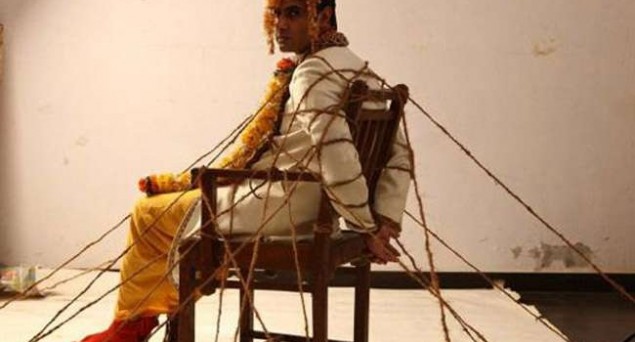

A wedding is often seen as a celebration of love, commitment and a new beginning. But in parts of Bihar, India, some weddings reportedly begin with abduction, threats and a groom who never agreed to marry.
A practice known as pakadua vivah or jabariya shaadi; Groom kidnapping is a practice in which eligible bachelors are allegedly abducted and forced into marriage by families seeking suitable husbands for their daughters without paying substantial dowries.
The practice has raised concerns about consent, cultural expectations and the lengths some families may go to secure socially desirable marriage partners.
When Education Becomes a Target
The practice reportedly emerged in the 1970s and became more prominent during the 1980s and 1990s, particularly in Bihar’s Mithila and Magadh regions. Districts including Darbhanga, Madhubani and Begusarai have historically been associated with the phenomenon.
The targets are often educated or financially secure men, including government employees, doctors, engineers and candidates preparing for India’s prestigious civil service examinations.
Their qualifications and employment prospects make them attractive marriage candidates, but they may also attract high dowry demands.
Although India’s Dowry Prohibition Act of 1961 prohibits dowry, the practice has continued in some communities despite the law. Families unable to meet substantial marriage-related demands have reportedly resorted to kidnapping as an alternative.
In some cases, abducted men are allegedly held captive, threatened or beaten before being forced through wedding ceremonies. Reports have also described armed individuals supervising ceremonies to prevent grooms from escaping.
From Family Pressure to Organised Crime
Over the years, reports have linked some incidents to organised criminal groups hired to locate, abduct and intimidate prospective grooms.
The consequences can extend beyond the wedding ceremony. Men who challenge the marriages may face threats, social pressure and lengthy legal disputes. Fear of retaliation can also discourage victims from reporting their experiences.
However, allegations surrounding individual cases require careful investigation, particularly when the parties involved offer conflicting accounts of their relationships and whether consent existed.
The practice can also affect brides, who may find themselves entering marriages shaped by family pressure and coercion rather than mutual agreement.
A Practice That Persists, Recent Cases Highlight Persistent Concerns
Although reports suggest that groom kidnapping declined after the 1990s, concerns resurfaced in 2024. Reports from that year cited more than 70 cases across 18 districts of Bihar, highlighting renewed attention to the practice.
The practice has continued to attract attention through reported incidents in recent years.
In February 2026, 22-year-old Nitish Kumar, a police aspirant, was allegedly abducted, sedated and beaten before being forced into marriage at a temple in Morwa village, Samastipur district. According to The Hindu, police rescued him on February 10 after a video showing his captivity circulated online. Authorities registered a case at Shahpur Patori police station.
In November 2023, Gautam Kumar, a newly employed schoolteacher, was reportedly abducted at gunpoint and forcibly married. Police rescued him the following day and filed charges against five suspects, according to The Hindu.
These incidents highlight the potential consequences of forced marriage, including physical abuse, intimidation and prolonged legal disputes. They also demonstrate why allegations must be investigated carefully to establish the circumstances of each case.
The issue has also featured in popular culture. The 2010 film Antardwand explored the experiences of a man forced into marriage, bringing wider attention to the phenomenon.
However, addressing the practice requires effective law enforcement, protection for victims and sustained efforts to challenge dowry expectations and social pressures surrounding marriage.
Ultimately, pakadua vivah exposes a troubling contradiction: a union traditionally associated with commitment and family celebration can become an instrument of coercion.