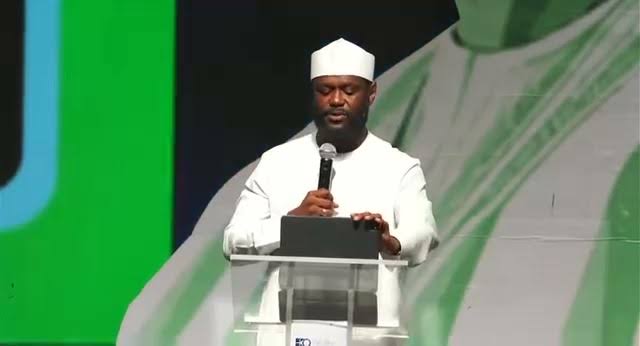

Seyi Tinubu, son of President Bola Tinubu, has defended his father’s administration, saying it chose to confront Nigeria’s inherited challenges to secure a better future for younger generations.
He made the remarks on Monday, October 12, 2026, during the maiden edition of the Seyi Tinubu Colloquium, themed “Shaping the Future Together,” at Eko Hotel and Suites in Lagos.
Speaking at the event, Seyi said the president did not choose the condition of the country he inherited from previous administrations but decided to address its challenges for the benefit of future generations.
“President Bola Ahmed Tinubu did not choose the Nigeria inherited from his predecessors, yet his administration chose to confront the challenges of our nation, not for itself alone, but for the benefits of those who come next, for us, the young generation,” he said.
Seyi acknowledged that major economic policy changes introduced by the administration, including the removal of the petrol subsidy, foreign exchange reforms and changes to the tax system, had imposed significant financial pressure on Nigerians. He noted that the policies had stretched household budgets and contributed to the economic difficulties many families currently face.
However, he argued that the administration’s reforms formed part of a long-term plan to strengthen the economy and create opportunities for future generations.
According to him, investments in infrastructure, electricity, agriculture, manufacturing, mining and education, alongside efforts to improve access to credit, would help build a more productive economy where hard work could translate into better living conditions.
The remarks generated mixed reactions on social media, with supporters backing the administration’s reform agenda while critics questioned the immediate impact of the policies on the cost of living.
Some reactions also raised questions about the role of the president’s family members in defending his administration’s economic decisions. The colloquium brought together discussions on leadership, national development and the future of young Nigerians.
By Musekir Faisat Omolara