
The Federal Government has responded to the controversy surrounding the alleged ₦8.8 trillion “shadow budget,” insisting it has not spent public funds outside the country’s constitutional and legal budgetary framework.
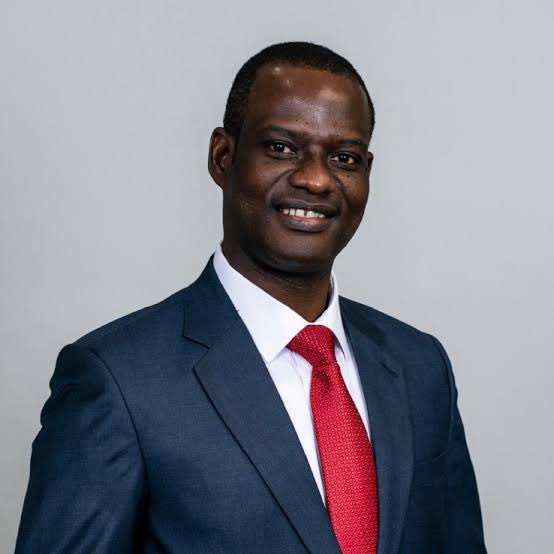
In a statement issued on Sunday and signed by the Minister of Finance and Coordinating Minister of the Economy, Taiwo Oyedele, the Federal Ministry of Finance described the allegations as “incorrect” and said they misrepresented the findings of the International Monetary Fund (IMF)’s 2026 Article IV Consultation Report.
According to the ministry, the Federal Government does not operate a “shadow budget,” stressing that all public expenditures are made in line with the Constitution, Appropriation Acts, Supplementary Appropriation Acts and other statutory provisions approved by the National Assembly.
The ministry explained that some expenditures, including statutory transfers, debt servicing, intervention programmes, security-related spending and multi-year capital projects, may be presented differently under international fiscal reporting standards but remain lawful, disclosed and subject to oversight.
It added that the IMF’s observations were primarily about the presentation and comprehensiveness of Nigeria’s fiscal reporting, not evidence of unlawful or secret government spending.
The statement follows growing criticisms from several quarters, including former Vice President Atiku Abubakar and former Anambra State governor Peter Obi, over the IMF’s reported disclosure that public expenditure equivalent to about two per cent of Nigeria’s Gross Domestic Product (GDP) was not captured in recent official budgets.
Atiku had called for investigations by the Economic and Financial Crimes Commission (EFCC), the Independent Corrupt Practices and Other Related Offences Commission (ICPC), the National Assembly and the Auditor-General of the Federation, alleging that the reported ₦8.8 trillion represented off-budget spending carried out without legislative approval, audit or public accountability.
Peter Obi also faulted the reported expenditure, describing it as evidence of poor fiscal transparency. He argued that the alleged ₦8.83 trillion was neither appropriated nor subjected to legislative oversight or administrative scrutiny, adding that the funds could have significantly improved education, healthcare, job creation and economic development if they had been transparently managed.
Reaffirming its commitment to transparency and accountability, the Federal Government maintained that ongoing reforms have strengthened public financial management and insisted that public debate on the issue should be guided by facts and a proper understanding of Nigeria’s fiscal framework.