
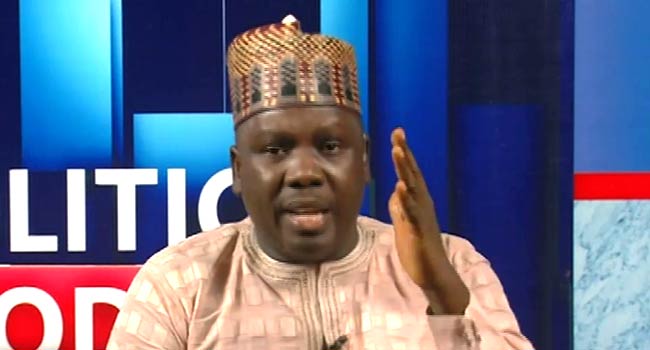

Special Presidential Adviser Daniel Bwala has acknowledged that President Bola Tinubu’s economic reforms initially worsened poverty and hardship in Nigeria, but maintained that the country has recorded significant progress since the measures were introduced.
Bwala disclosed this on Wednesday during an appearance on Channels Television’s Politics Today, where he defended the economic policies implemented by the Tinubu administration since 2023. He stressed that the removal of the petrol subsidy and the unification of the foreign exchange market created severe economic pressure on Nigerians in the short term.
However, he described the hardship as an unavoidable consequence of restructuring an economy that had long depended on costly interventions.
He argued that the reforms were necessary to address structural weaknesses and put the economy on a more sustainable path, despite their immediate impact on household incomes and living standards.
Bwala also expressed confidence in Tinubu’s prospects for the 2027 presidential election, predicting that the President would secure a wider victory than he did in 2023.
According to him, the growing number of opposition politicians and political groups moving into the All Progressives Congress would strengthen Tinubu’s chances of retaining power.
His comments come amid continued debate over the impact of the administration’s economic policies, with poverty, inflation and the rising cost of living remaining major concerns among Nigerians.
Reforms, Poverty and Rising Cost of Living
Meanwhile, World Bank data recently underscored the extent of poverty in Nigeria, as opposition figures continue to fault the government over the rising cost of living and deteriorating living conditions.
Phrank Shaibu, an aide to former Vice President Atiku Abubakar, has been particularly critical of the administration, accusing it of imposing policies that have increased the financial burden on ordinary Nigerians.
Bwala, however, maintained that the government’s reforms should be assessed not only by the immediate hardship they caused but also by the broader economic changes and progress recorded under Tinubu.
By Musekir Faisat Omolara