
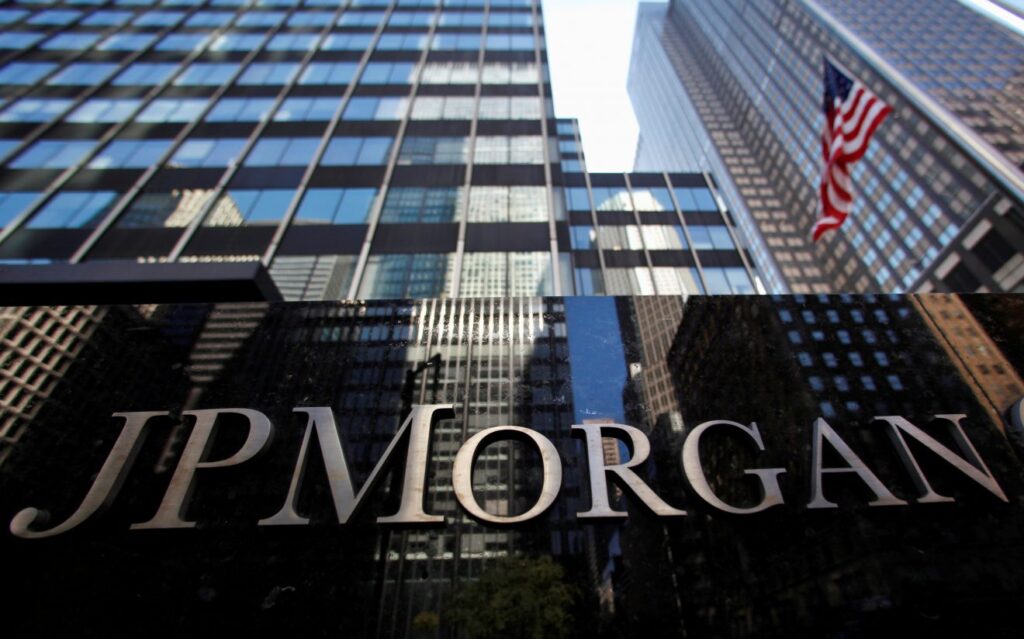

JPMorgan Chase & Co., one of the world’s largest financial services groups, plans to establish a merchant bank in Nigeria before the end of 2026, a move that could expand financing opportunities for major businesses and deepen the country’s links with international capital markets.
The proposed operation, however, remains subject to regulatory approval, with the bank yet to announce a confirmed opening date or a full list of services.
Dapo Olagunji, managing director of JPMorgan West Africa, announced the plan at the Nigeria–Asia Financial Connectivity Dialogue in Singapore on October 8, according to reports by TheCable and Nairametrics.
The dialogue was convened by the Central Bank of Nigeria (CBN) in collaboration with JPMorgan, the Nigerian Exchange Group and FMDQ Group.
JPMorgan’s Nigerian Presence Dates Back Decades
The proposed merchant bank would not mark JPMorgan’s first entry into Nigeria.
Read also: South African Workers Discover 15,000 Rounds Of Historic Ammunition
According to the company’s Nigerian profile, its predecessor, Chase Manhattan, opened a Lagos branch in 1961 and a representative office in 1982.
JPMorgan currently serves Nigerian clients through its Lagos operations, including its Commercial and Investment Bank and Asset and Wealth Management businesses.
The proposed merchant banking operation would therefore represent an expansion of its local presence rather than an entirely new arrival in the Nigerian market.
What The Proposed Bank Could Offer
Merchant banks generally provide wholesale financial services, including corporate financing, investment banking, debt structuring and trade finance, rather than focusing on everyday retail banking services such as salary accounts and nationwide consumer banking.
The proposed operation could provide large Nigerian companies with additional access to international financing and financial advisory services.
Earlier reports linked JPMorgan’s expansion plans to the possibility of dollar-denominated loans for major corporations. However, the company has not publicly confirmed a complete product offering for the proposed bank.
Large businesses seeking substantial funding or cross-border financial services could be among the initial beneficiaries if the operation receives approval and begins business.
Smaller businesses could benefit indirectly if financed companies expand production, invest in infrastructure or increase their demand for local suppliers.
These outcomes would depend on the bank’s eventual lending decisions and the nature of its investments.
Nigeria’s Bond Market Also Gains Attention
The planned expansion comes as JPMorgan deepens its engagement with Nigeria’s financial markets.
In September 2026, the financial institution included Nigeria in its Government Bond Index–Emerging Markets Edge, assigning the country a weighting of 7.4 per cent.
The index tracks local-currency government bonds across emerging and frontier markets, potentially increasing the visibility of Nigerian securities among international fixed-income investors.
Nigeria’s inclusion came nearly 11 years after it was removed from JPMorgan’s earlier emerging-markets government bond index in 2015.
The CBN has also been engaging international financial institutions and market stakeholders to strengthen investor confidence, improve market liquidity and attract longer-term capital.
Regulatory Approval Remains Key
Despite the planned year-end launch, JPMorgan’s proposed merchant bank must still secure the necessary regulatory approvals before commencing operations.
Further details about its proposed capital structure, licensing arrangements and specific services have not been disclosed.
The establishment of the bank would not automatically guarantee lower borrowing costs, increased foreign investment or improved access to credit for every Nigerian business.
Its eventual economic impact would depend on the financing it provides, the businesses it supports and the extent to which its activities contribute to productive investment.