
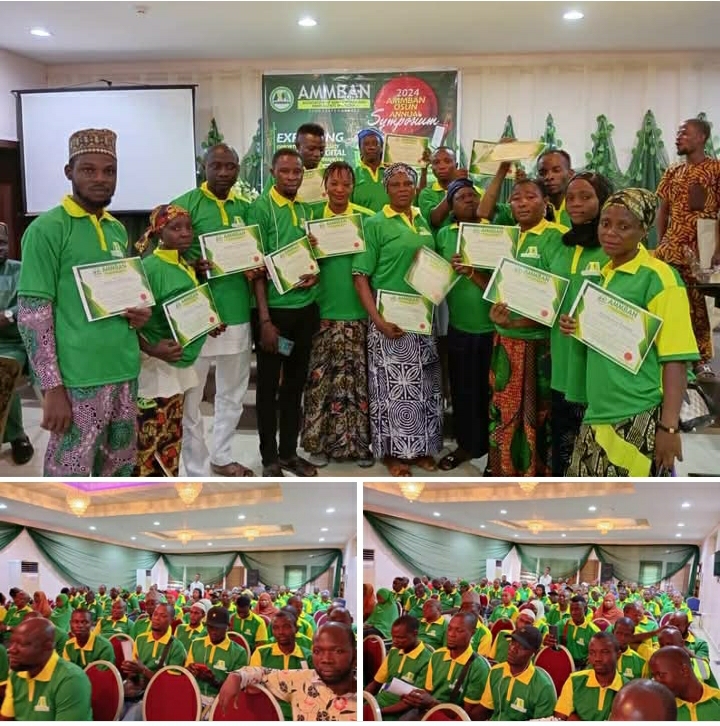

A 2024 Point-of-Sale (POS) empowerment programme reportedly organised by a lawmaker representing Osogbo Federal Constituency in the House of Representatives has resurfaced and sparked mixed reactions among Nigerians.
The programme, which involved training youths on POS operations, has attracted criticism from social media users who questioned whether the initiative adequately addresses the broader employment and skills development needs of young people in Osun State.
Critics argued that political leaders should prioritise skills in emerging sectors such as technology, artificial intelligence, software development, cybersecurity, data science and the creative industries.
Many described the initiative as misplaced priorities, questioning whether POS operation was the best skill to offer young people in the 21st century.
The critics further questioned whether political leaders would encourage their own children to undergo similar training. While arguing that young people deserve empowerment programmes capable of providing sustainable livelihoods and preparing them for future employment opportunities.
In one of the tractions, social media users extended the broader approach to youth empowerment in Osun State, with the commentator accusing political leaders of offering “tokenism, handouts and political gimmicks disguised as empowerment.”
The lawmaker was further criticised over the nature of his representation, with the commentator arguing that constituents deserve programmes that equip young people with relevant and sustainable skills.
@LABANSON9 defended the Lawmaker’s initiative arguing that the programme provides practical skills that can help participants generate additional income.
He accused the critics of hypocrisy, citing the First Lady’s previous support for Kuli Kuli and Akara businesses as legitimate empowerment initiatives. While reiterating that POS skills offer practical income supplements rather than primary livelihoods.
However, the resurfacing of the 2024 programme has renewed debate over the relevance and effectiveness of political empowerment initiatives targeted at young Nigerians, particularly amid growing demand for digital and technology based skills.
By Musekir Faisat Omolara