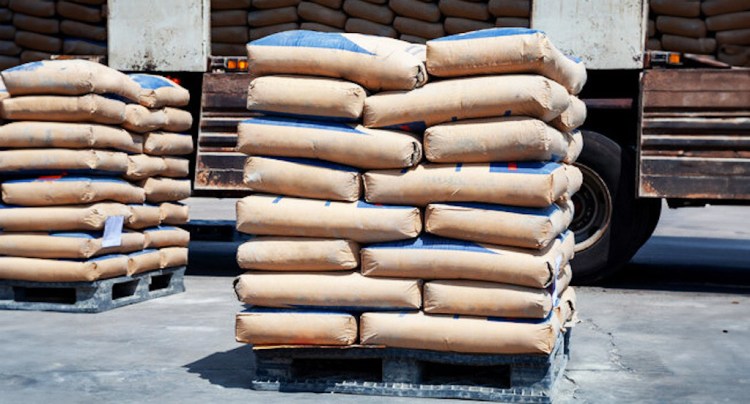

The Federal Competition and Consumer Protection Commission (FCCPC) has commenced a formal investigation into possible price manipulation in Nigeria’s cement market following preliminary findings suggesting anti-competitive practices in the sector.
The Commission disclosed this in a statement on Tuesday, August 18, 2026, following a three-month cross-border study conducted by its Anticompetitive Practices Department (ACP) in response to widespread complaints over the high cost of cement.
Cement prices rise despite production surplus
According to the FCCPC, the price of a 50kg bag of cement rose significantly during the first half of 2026. A bag reportedly sold for between N9,300 and N9,700 in January but increased to between N10,500 and N13,000 by mid-year. By July, prices of between N13,000 and N15,000 were reported in some parts of the country.
The Commission said the development was concerning because Nigeria has an estimated installed cement production capacity of more than 60 to 65 million metric tonnes annually, compared with domestic consumption of about 25 to 30 million metric tonnes.
It added that Nigeria is also a net exporter of cement to neighbouring countries.
Nigeria records higher prices than some African markets
The FCCPC said its investigation compared Nigeria’s cement market with those of Kenya, Tanzania, South Africa, Egypt, Morocco, Algeria and Togo.
It noted that a 50kg bag of cement sells for about $5.40 (N7,344) in Nairobi, Kenya, and $4.80 (N6,528) in Tanzania, while the price in Togo, which does not have limestone deposits, stands at about $6.75 (N9,180).
The Commission said the comparisons raised questions about why Nigeria, which has substantial limestone deposits and significant domestic production capacity, continues to record comparatively high cement prices.
FCCPC examines manufacturers’ explanations
The Commission said all major cement manufacturers cooperated with the investigation by providing access to their records, except one.
Industry participants identified energy costs, naira depreciation and its impact on imported machinery and spare parts, as well as transportation and logistics expenses, as factors contributing to the high prices.
However, the FCCPC said it was testing those explanations against verified information on production costs, pricing and market conditions.
Investigation to determine possible anti-competitive conduct
The Commission said its preliminary findings were sufficient to warrant the continuation of the investigation, stressing that it would determine whether current cement prices could be justified by legitimate costs or were influenced by anti-competitive practices.
It said the investigation would examine possible “coordinated conduct, abuse of market power, restriction of domestic supply, anti-competitive distribution practices” and other practices prohibited under the Federal Competition and Consumer Protection Act.
FCCPC summons key industry players
The FCCPC has consequently issued Notices of Commencement of Investigation and Summons to Produce to key players in the cement industry as it deepens its probe.
The Commission said the investigation would help establish whether the prevailing prices reflect genuine market conditions or practices capable of undermining competition and hurting Nigerian consumers.