
The Federal Government has secured 653 convictions in the ongoing mass trial of terrorism suspects at the Federal High Court in Abuja, with proceedings involving 1,060 defendants.
Attorney-General of the Federation and Minister of Justice, Lateef Fagbemi, SAN, disclosed the figures on Friday while reviewing the progress of the 11th phase of the exercise, which ran from October 19 to 24, 2026.
Fagbemi said the court had handled about 880 cases as of midday Friday, resulting in 653 convictions, seven acquittals and 27 discharges. He added that the final figures would follow the conclusion of the proceedings.
He described the 11th phase of the mass trial as the largest since the Federal Government began prosecuting terrorism-related offences through special court proceedings. The exercise is also the third round of mass trials this year, following proceedings involving more than 400 suspects in June.
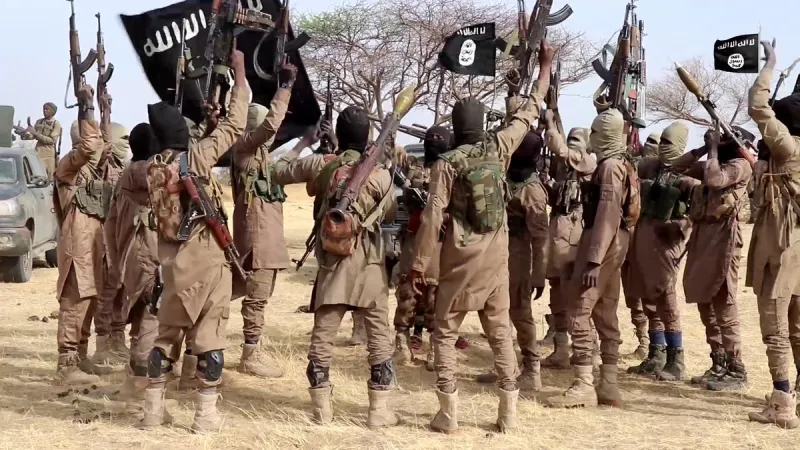
The cases involve offences linked to terrorism, including providing support to insurgents, concealing information about terrorist activities and financing terrorism. Some defendants pleaded guilty, while others contested the allegations and faced further proceedings.
Fagbemi credited the progress to cooperation among the judiciary, prosecution and defence teams, as well as security and justice-sector agencies.
He specifically acknowledged the judges handling the cases, including Justice Binta Nyako, who has been acting on behalf of the Chief Judge of the Federal High Court, Justice John Tsoho.
Other institutions involved include the Office of the National Security Adviser, the Department of State Services, the military, the Nigeria Police Force, correctional authorities and the Legal Aid Council of Nigeria.
The AGF also clarified that private legal practitioners, alongside lawyers from the Legal Aid Council, provided legal representation to defendants. He said defence lawyers had access to their clients in detention facilities before the proceedings to prepare their cases.
Fagbemi further highlighted deradicalisation and rehabilitation as important aspects of the process, particularly for individuals whom the courts may discharge and recommend for rehabilitation. He said such interventions could support their reintegration into society and help prevent a return to extremist activities.
The latest exercise forms part of the Federal Government’s wider prosecution of terrorism-related offences, which began in October 2017. The programme seeks to address the backlog of cases involving suspected terrorists and related offences.
By Musekir Faisat Omolara