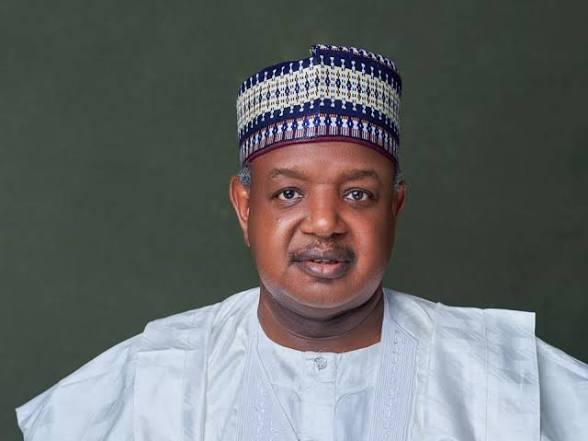

The Federal Government has spent more than ₦1 trillion on cancer prevention, diagnosis and treatment within the past year, Minister of Budget and Economic Planning, Abubakar Atiku Bagudu, has said.
Bagudu made the disclosure at the 12th edition of the Walk Away Cancer awareness campaign, organised by the Medicaid Cancer Foundation in Abuja. The event featured a 5.4-kilometre walk to mark the conclusion of Breast Cancer Awareness Month, popularly known as Pink October.
The minister said the expenditure formed part of the government’s efforts to strengthen cancer care and improve access to treatment facilities across the country.
He explained that the government committed ₦350 billion to establishing cancer treatment centres nationwide, while more than ₦300 billion went towards purchasing equipment for cancer detection and diagnosis.
Bagudu added that other allocations supported the wider health sector, including funding provided to state and local governments to improve cancer prevention, screening, early detection and treatment.
The campaign had government representatives, health advocates, cancer survivors and other participants who used the occasion to highlight the need for stronger action against the disease.
Among those present were the President of the Union for International Cancer Control, Dr Zainab Shinkafi Bagudu, and cancer survivor Farooq Oreagba.
The participants stressed the importance of regular medical screening, timely diagnosis and adequate financial support for people living with cancer.
Bagudu further called on state and local government authorities to ensure that funds allocated for cancer-related programmes reach their intended beneficiaries and produce measurable results.
Noting that, cancer remains a major public health concern, with the cost of diagnosis and treatment placing considerable pressure on patients and their families.
However, the reported government investment is expected to strengthen the country’s cancer response, although effective implementation and access to the facilities will remain important measures of its impact.
By Musekir Faisat Omolara