

The United Nations Children’s Fund (UNICEF) has revealed that six in every 10 Nigerian children experience some form of abuse, while only two in five children under the age of five have their births registered, highlighting persistent child protection challenges in the country.
UNICEF berates Exploitation and abuse of children
UNICEF also disclosed that two in five young women in Nigeria were married before the age of 18, exposing millions of children to abuse, exploitation and limited access to essential services.
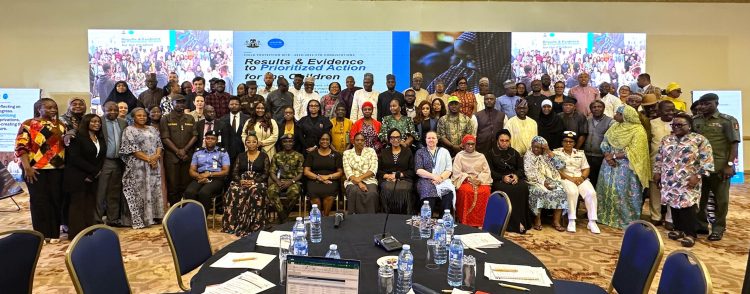
The agency’s Chief of Child Protection in Nigeria, Natalie McCauley, disclosed this on Friday during the Child Protection Mid-Year Review and consultations for UNICEF Nigeria’s 2028–2032 Country Programme in Abuja.
McCauley said the figures represent children whose safety, identity, education, health and future opportunities remain at risk, stressing that child protection efforts should be measured by their impact on children’s lives rather than the number of activities implemented.
She acknowledged progress made in 2025 through government-led and UNICEF-supported interventions, including strengthening the child protection workforce, expanding community-based protection structures, accelerating birth registration and providing protection services to nearly 120,000 children.
According to her, more than 1,000 children were also diverted from detention through non-custodial measures aimed at improving child justice outcomes.
Despite the progress, McCauley warned that national achievements often conceal significant disparities across states and communities, noting that children in remote and conflict-affected areas, children with disabilities, displaced children and adolescent girls continue to face heightened risks.
Next move
She said UNICEF’s next country programme would prioritise the most vulnerable children by strengthening government systems, increasing domestic financing and scaling interventions with proven impact.
“A child who is afraid at home cannot thrive. A girl married too early is less likely to remain in school. A child without a legal identity may be excluded from health, education and social protection,” she said.
McCauley also called for stronger collaboration among the health, education, justice and social protection sectors, urging stakeholders to address shortages of trained social workers, weak referral systems, inadequate child-friendly justice services and limited investment in prevention.
She noted that recommendations from the consultation would help shape UNICEF Nigeria’s 2028–2032 Country Programme, with the goal of ensuring that every child is protected, registered at birth and given the opportunity to reach their full potential.