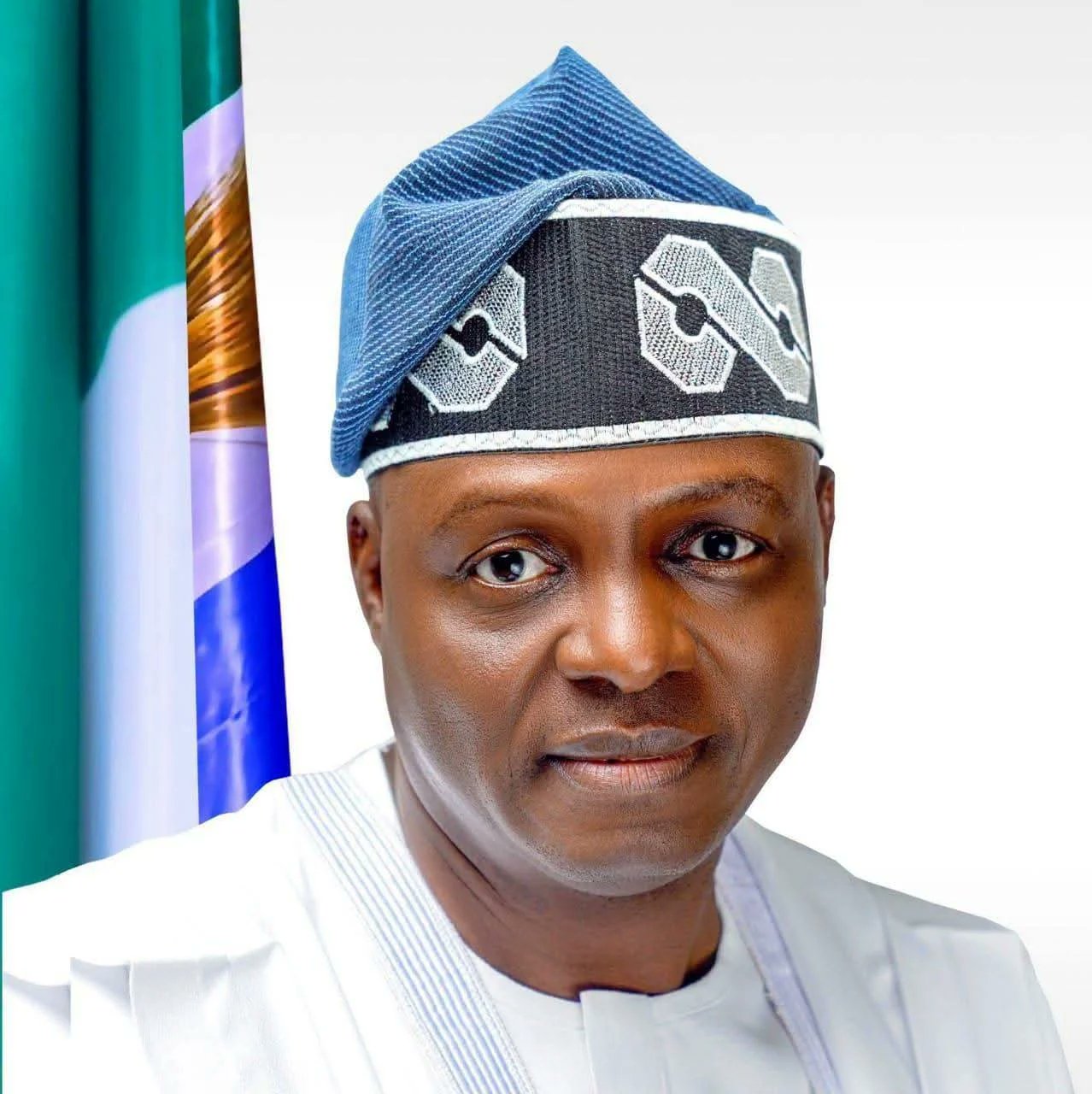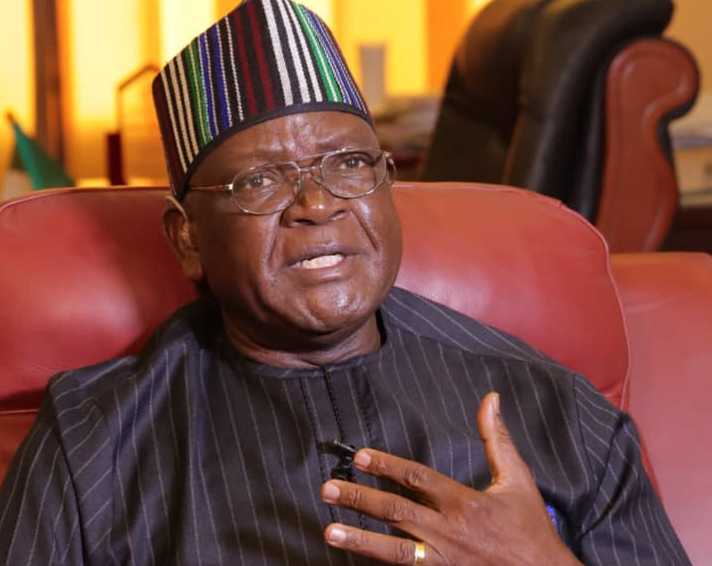
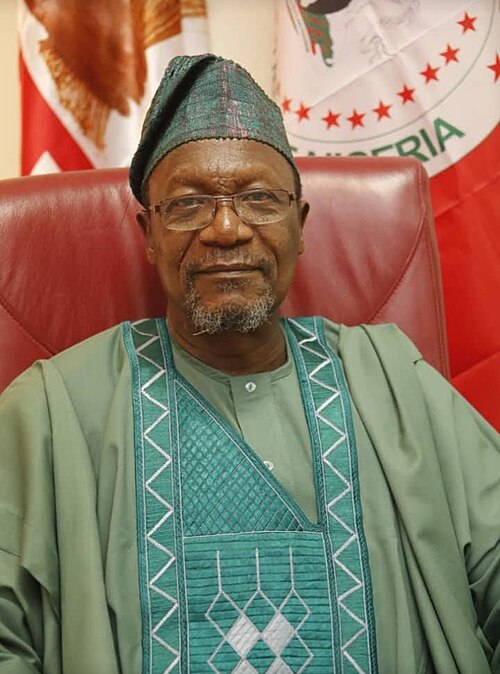

A Nigerian senator, Yahaya Abubakar Abdullahi, has credited the former Soviet Union with playing an important role in keeping Nigeria together during the country’s civil war.
Abdullahi, who represents Kebbi North Senatorial District, made the remarks during a visit to Moscow, where he spoke about Nigeria’s historical relationship with Russia and the need to deepen cooperation between both countries.
The senator’s comments came as a Nigerian delegation engages Russian officials over possible cooperation on railway infrastructure and other areas of development.
‘Russia helped keep Nigeria together’
Reflecting on the Nigerian Civil War, Abdullahi said Soviet military assistance to the Federal Government was significant at a critical point in the country’s history.
The Nigerian Civil War, fought between 1967 and 1970 after the declaration of Biafra, posed a serious threat to the country’s territorial integrity.
During the conflict, the Soviet Union supplied the Federal Government with military equipment, including MiG aircraft, while also providing technical support.
Former Head of State, General Yakubu Gowon, recently recalled in his autobiography how Nigeria turned to Moscow for military assistance after the United States and Britain were reluctant to provide the level of support Lagos wanted.
Abdullahi said the Soviet intervention ultimately helped Nigeria preserve its territorial integrity.
From war-time support to railway cooperation
Decades after the civil war, the senator is now in Moscow as part of efforts to strengthen Nigeria-Russia cooperation.
The delegation is seeking Russian expertise and investment in Nigeria’s railway sector, including the rehabilitation and development of rail infrastructure.
Abdullahi told RT that the delegation was particularly interested in exploring how Russian railway expertise could be applied to Nigeria’s infrastructure challenges.
The discussions come at a time when Nigeria is seeking to expand and modernise its rail network as part of efforts to improve transportation and connect different parts of the country
Nigeria and Russia have maintained diplomatic relations since November 1960, shortly after Nigeria gained independence.
The relationship deepened considerably during and after the civil war, when Soviet military assistance became an important part of Nigeria’s war effort.
Historical accounts note that Soviet support helped Nigeria acquire aircraft and other military equipment at a time when the Federal Government was urgently seeking weapons.
The relationship later expanded beyond military cooperation into areas including education, industry and infrastructure.
One major example was Soviet involvement in the development of the Ajaokuta Steel Complex, which became one of the most prominent symbols of Nigeria’s post-war relationship with Moscow.
Senator seeks to build on old relationship
For Abdullahi, the current engagement is an opportunity to build on a relationship that dates back decades.
The senator’s visit comes as Nigeria continues to look for international partners capable of supporting its infrastructure development, particularly in transportation.
Russian Railways has also indicated that it sees potential for expanding cooperation with African countries, including Nigeria, as trade and transport links between Russia and the continent grow.