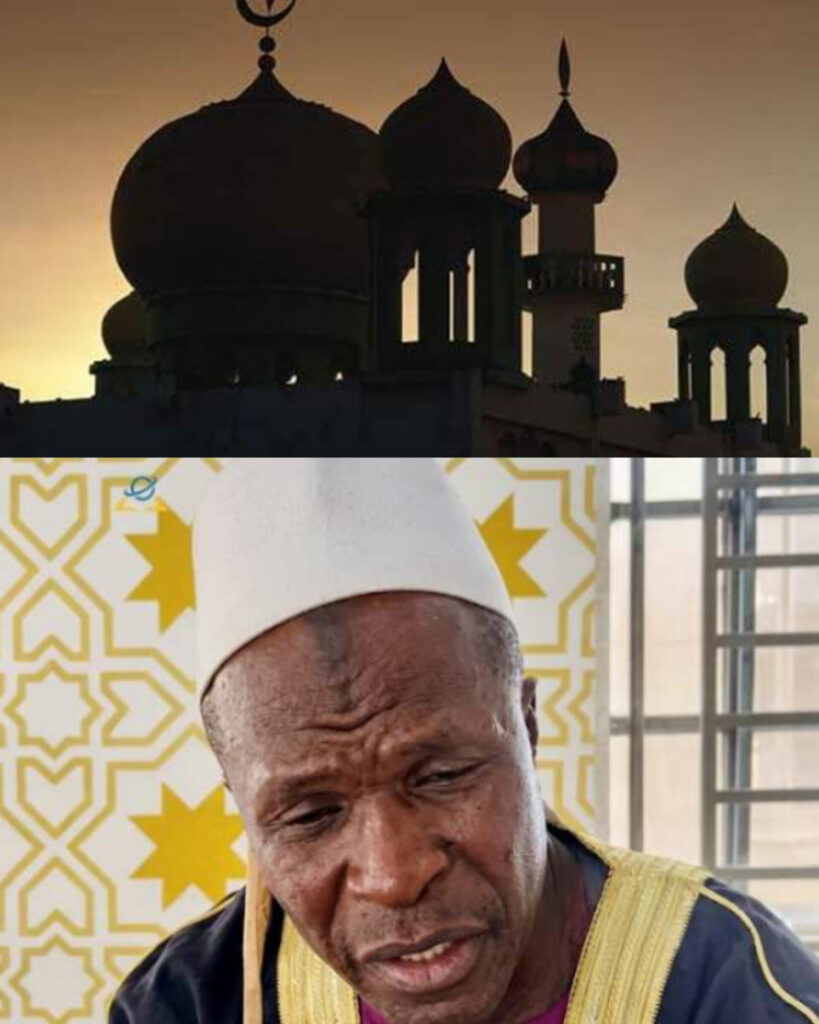

A mosque management committee in Bauchi has removed Imam Dahiru Abubakar, popularly known as Jejiwe Danmalam, over allegations that he repeatedly used religious sermons to campaign for President Bola Tinubu’s re-election in 2027.
Abubakar served at Masjid Abdullahi Bin Zubbair in Madina Quarters, Bauchi metropolis, where he reportedly urged worshippers after obligatory prayers to support Tinubu for another term.
He argued that the president did not cause Nigeria’s insecurity and economic hardship, describing the country’s challenges as an “end times phenomenon.”
According to reports, the committee suspended him after he repeated the practice following the Subhi prayer on Sunday, despite several warnings against introducing partisan politics into the mosque.
A source familiar with the incident said Abubakar regularly told worshippers that Tinubu deserved re-election because he was not responsible for the country’s insecurity.
Abubakar acknowledged discussing the president during sermons but maintained that he encouraged citizens to stop criticising Tinubu over insecurity and economic difficulties and instead pray for him.
The mosque’s management committee chairman, Abubakar Jibrin, said the imam’s activities extended beyond sermons. He accused Abubakar of gathering people in front of the mosque and entering the premises specifically to discuss politics.
Jibrin also alleged that Abubakar proposed renaming the mosque Masjid Imam Bola Ahmed Tinubu, a move the committee rejected. He stressed that the mosque belonged to the community, not any political figure, and insisted that it would retain its original name.
The chairman confirmed Abubakar’s removal and ruled out his reinstatement, suggesting that the imam could establish his own mosque or seek support from politicians if he wanted a place for his activities.
Meanwhile, some residents disputed claims that Abubakar served as the mosque’s substantive imam, describing him instead as a substitute.
However, the controversy has drawn attention to disagreements over political advocacy in religious spaces ahead of the 2027 general election
By Musekir Faisat Omolara